
A small speech-recognition project can have enough funding for the semester and still come up short in October. A transcription invoice, two student assistant payments, and a storage renewal might all fall due before the next installment arrives. A monthly budget has to answer two questions: How much can the project commit to spending, and will the money be available when those bills come due?
Start with money you can actually use
Record the balance you can spend at the start of the month, any confirmed additions, and the dates those funds become available. Don’t count pending awards, requested transfers, or expected reimbursements toward what you can spend now. An approved reimbursement belongs on the calendar until it arrives, not in the available balance.
Check what each source of funding can pay for. Money earmarked for student wages may not cover recording equipment, even when both expenses support the same experiment. List restricted funds separately and check the terms before charging an expense to a different source. If an institution manages the project’s finances, use the balance it confirms you can spend. The award ceiling doesn’t tell you how much is available this month.
Build the budget from actual costs
Start with a recent month’s invoices, payroll records, and receipts. A month with no data collection won’t tell you much about what three recording sessions will cost. If the work is seasonal, look at months with similar activity or estimate the cost of each upcoming session or task. Include purchases you’ve already approved, even if they haven’t reached the ledger.
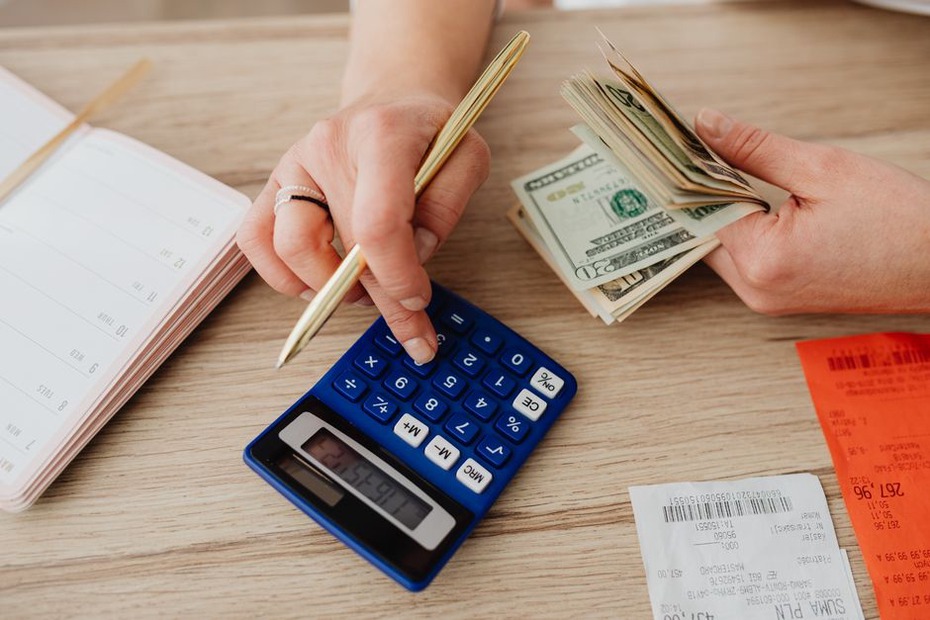
Sort expenses by what’s already owed, what depends on the work ahead, and what needs to be set aside:
- Committed costs: Wages for scheduled work, approved invoices, and anything else the project has agreed to pay.
- Variable costs: Annotation, transcription, participant payments, and computing charges that depend on how much work goes ahead.
- Predictable costs that don’t recur every month: An annual renewal, a planned equipment purchase, or travel to give an accepted conference presentation.
- A buffer: Money for costs you can’t yet pin down, such as repeating a recording session because the audio was unusable.
Give known bills their own lines rather than leaving them to the buffer. If a $360 storage renewal is due in six months and you haven’t set anything aside, reserve $60 a month. If it’s due in three months, set aside $120 a month instead. A reserve leaves less money for new work now, but it isn’t a payment. If funds can’t carry forward, check that you can cover the renewal in the month it’s due rather than counting on a reserve.
Put a spending limit on the work itself
Before approving flexible work, subtract committed costs, planned reserves, and the buffer from usable funds. If the result is negative, scale back or postpone work you haven’t authorized, or confirm that another funding source can cover it. A smaller recording batch is a workable adjustment. An early installment isn’t something to count on.
Turn the remaining budget into a limit the team can plan around. At $25 an hour, $300 buys 12 hours of annotation work, including quality checks. If reviewing disagreements takes two hours, plan for ten hours of initial annotation. If you don’t know how much the team can get through in an hour, time a small pilot before approving the full batch. An hour of audio can take several hours to process, depending on the recording quality and the level of detail the annotations require.
A worked monthly budget
Suppose a project opens the month with $1,000 in usable funds and has another $800 scheduled to arrive on the 15th. The figures below are illustrative and assume the funds can be used for every expense listed.
| Budget line | Amount | Timing or purpose |
|---|---|---|
| Student assistant wages | $600 | Due on the 5th |
| Approved transcription invoice | $300 | Due on the 12th |
| New annotation work | $300 | Authorize after the 15th, once the funds arrive |
| Participant payments | $240 | Sessions scheduled after the 15th |
| Storage renewal reserve | $60 | Set aside for a later month |
| Buffer | $150 | Hold for unplanned costs |
The plan allocates $1,650 of the month’s $1,800, leaving $150 unassigned. But wages and the transcription invoice leave just $100 of the opening balance. The $240 in participant payments fits the monthly budget, but the project can’t cover it before the installment arrives. If the transfer is late, hold off on authorizing the next annotation batch and postpone any sessions you haven’t booked. Check those dates before promising work to staff or scheduling participants.
Track commitments without counting them twice
A spreadsheet or paper ledger will do, provided it separates budgeted amounts, unpaid commitments, and payments. When you authorize a $120 transcription batch, enter $120 as committed. When you pay the invoice, move the amount to the paid column instead of leaving it in both. To find what’s left in a category, subtract what you’ve paid and what you’ve committed but not yet paid from the category’s allocation.
The same distinction helps when you compare records. A purchase and the later payment of the card statement aren’t two expenses. A renewal reserve reduces what’s available for new work, but it doesn’t belong in the paid column. When you track a month of expenses without double-counting, separate the expense itself from any transfer or payment that settles it.
Check the budget before approving the next batch
A quick check each week can catch a shortfall while there’s still time to change the schedule. Focus on bills due before the next deposit and categories where you’re about to approve more spending. If invoices only come in at month-end, ask for approved hours or orders at the weekly check so the forecast reflects work already underway.
- Update the ledger. Record new payments and revise the expected cost of work you’ve already authorized.
- Check what’s due next. Compare upcoming payments with the money you can use before the next confirmed installment.
- Decide what to change. If a category is running short, identify a purchase or batch you can reduce, delay, or cover with eligible unassigned funds.
You can move money between categories if the funding terms allow it and you record the change. If room hire for one recording session costs an extra $40, you might take it from the buffer. If it costs $40 more than planned three sessions in a row, revise the room hire estimate. That’s no longer an unexpected cost.
Use the month-end review to correct the next estimate
Compare each category with its original allocation and include unpaid commitments that will carry over. A low monthly total can hide two different problems with the estimate: recording may be under budget because a session was canceled, while transcription may be over because the audio you did collect took longer to process. The canceled session changed the workload. The harder audio is a reason to revisit the transcription estimate.
Keep the amount of work separate from the price per unit. If you budgeted ten hours of annotation at $25 an hour and used twelve at the same rate, the extra cost came from the hours, not the rate. Find out what took longer before budgeting twelve hours every time. One difficult recording may be an exception; a required second review of every sample belongs in the baseline.
Carry unpaid invoices into next month’s opening commitments and confirm which reserves can carry forward. If you still owe $180 on an approved transcription order, account for it before setting the allowance for a new batch. When the invoice is paid, move that $180 from committed to paid. The new batch’s allowance shouldn’t shrink a second time.