
The trousers you wear on Friday’s train can do another shift in the university reading room on Saturday and still be fine for the ride home on Sunday. Pack a second top, fresh underwear and socks for the next two mornings, and a layer that works for both the forecast and the archive. You’ll have clothes for three days without packing three outfits. The same logic applies to a weekend speech recognition workshop or a visit to see an early computer-vision system: pack for the parts of the trip that ask something different of you.
Build the packing list around the itinerary
Write down when you leave, when you get back, and what you’ll do in between. Include the bits that don’t make it onto a booking confirmation: the walk from the station, the wait before check-in, or dinner straight after a workshop. Beside each activity, list what you’ll need beyond what you’re already wearing or carrying. The walk might call for a rain shell and the dinner for a different shirt. Neither calls for a whole new outfit.
Ask your accommodation what it provides and when you can drop off your bag. Check whether the archive requires ID, a booking confirmation, or a reader card, and what it lets you bring to the desk: bags, laptops, cameras, even pens. If you’re attending a workshop, find out what you’re expected to present and whether you need your own computer or adapter. It’s better to learn that cameras aren’t allowed before you carry one all the way to the reading-room locker.
Choose clothes that work across the weekend
Start with what you’ll wear in transit. Choose trousers you can sit and walk comfortably in, and make sure they go with both tops. Build around shoes you already know you can walk in. Wearing your bulkiest layer can save room in the bag, but check that you can stow it when you take it off. A warm train is a poor place to discover you’ll have to carry your coat separately.
For two nights in mild weather, with no formal event or strenuous outdoor activity, start here:
- Wear: comfortable trousers, a top, walking shoes, socks, underwear, and the layer you expect to use most.
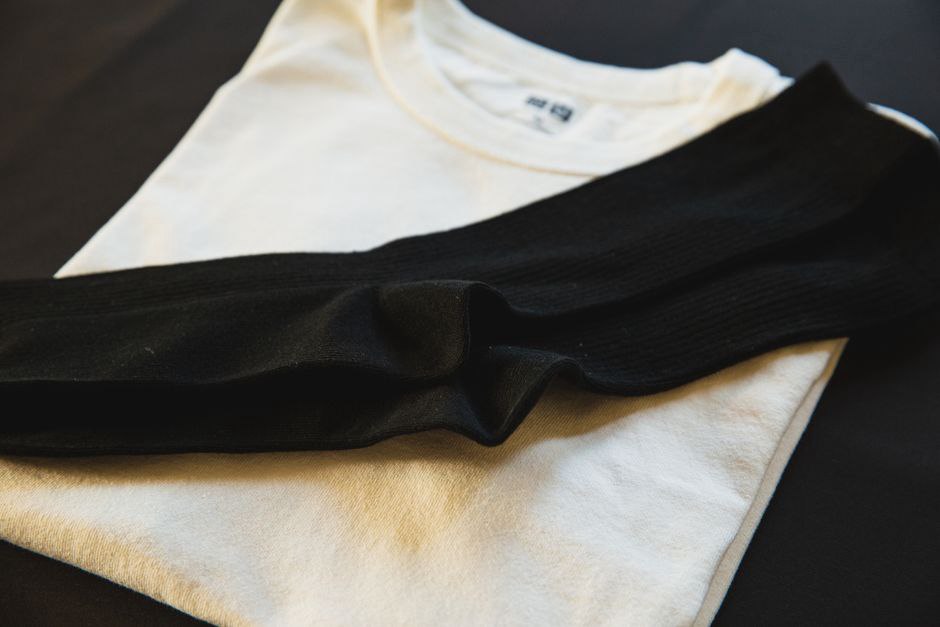
- Pack: a spare top, fresh underwear and socks for the next two mornings, and whatever you sleep in.
- Add if the plans call for it: rain protection for an exposed walk, a dressier shirt for a scheduled dinner, or a second pair of trousers if an activity is likely to leave the first pair wet or dirty.
Look at the forecast for the hours you’ll actually be outside. A cool morning walk followed by a warm afternoon indoors is a good reason to wear a layer you can take off. If rain is likely, consider what will have time to dry. An extra pair of socks may do you more good than a second sweater, especially if you’re bringing only one pair of shoes. If the conditions call for different footwear or protective clothing, make room for it rather than sticking to an arbitrary bag size.
Give research gear its own packing decision
On a trip to research the history of pattern recognition, the weight often comes from things that never appear on a clothing checklist: printed proceedings, a laptop and power supply, a camera, papers for the train. Start with the work itself. Reading a few papers, taking notes during a demonstration, and giving a talk don’t require the same gear.
Download the material you’ll use
For a Saturday in the archive, save your booking confirmation and the opening hours, along with a short list of the items you want to consult. If you’re comparing accounts of an early speech-synthesis system, bring the citations and relevant pages rather than a stack of conference papers. Keep publication details and printed page numbers with each excerpt so you can track it down later.
Scans of older proceedings aren’t always searchable, and the PDF page counter may not match the printed numbering. Mark the pages you’ll need before you leave. Then take your device offline and open the files: seeing a title in your reading app doesn’t mean the file has downloaded.
Bring one setup that can do the work
A phone, if permitted, or a small notebook may be enough for call numbers and brief notes. A laptop is easier to justify if you’ll be writing at length, working with tables, or giving a presentation. For a talk on speech recognition or synthesis, save the slides and authorized audio clips locally, test playback on the device you’ll use, and ask what the room has for display and sound. You’ll know whether you need an adapter and which one. If you want to photograph archive material, confirm that copying is permitted and check the equipment rules before packing a camera.
Lay out your devices and match each one with the cable and charger it needs. The same connector doesn’t necessarily mean both devices will charge properly from one power supply. Test the setup at home before leaving a charger behind. If you’re flying, check the carrier’s current rules for spare batteries and power banks, including where you have to carry them.
Separate essentials from convenient extras
Keep ID, keys, payment, tickets, glasses or contact-lens supplies, and essential medication in a pocket or bag that stays with you. Think about what you’d need if the train were delayed or your bag had to be checked at the gate. Don’t leave medication or accessibility equipment behind to meet a packing target. If your medication has storage requirements or you’re crossing a border, check the relevant instructions and rules before repacking it.
The simplest way to cut down on toiletries is to leave behind products you won’t use. Bring enough of what you rely on and check what your accommodation supplies before buying travel sizes. Put anything that might leak in a sealed pouch. If you’re flying, check the current airport rules for liquids.
For each optional item, ask how likely you are to use it, what you’d do without it, and whether something already in the bag could do the job. A novel can earn its place on a long rail trip; three backup reads probably won’t. A snack may be more useful than another device if you’re arriving late or making a tight connection. A shop near the hotel won’t help much during a long evening transfer.
Match the bag to the trip, including arrival day
Lay everything out before choosing a bag. If you’re flying, check the size and weight limits for your fare: an under-seat bag and an overhead carry-on may have different allowances. Measure a packed soft bag at its widest points, including bulging pockets. On a case, count the wheels and handles. For rail or coach travel, ask whether you can lift the bag into a rack or carry it up stairs without juggling a tote.
Pack in the order you’ll need things. Keep your rain layer near the top for the walk from the station and bury the sleepwear a little deeper. One zip pouch can keep you from emptying your bag onto a workshop table just to find a cable. Several pouches doing the same job take up space you could use to repack in a hurry.
Work out where the bag will go before check-in. If you’re visiting a document-processing collection before your room is ready, ask whether the hotel can hold your luggage or the reading room has lockers big enough for it. A pouch or foldable tote helps only if the venue allows it at the desk. If the rules say loose papers and pencils only, put those within easy reach before you arrive.
Rehearse the tightest part of the trip
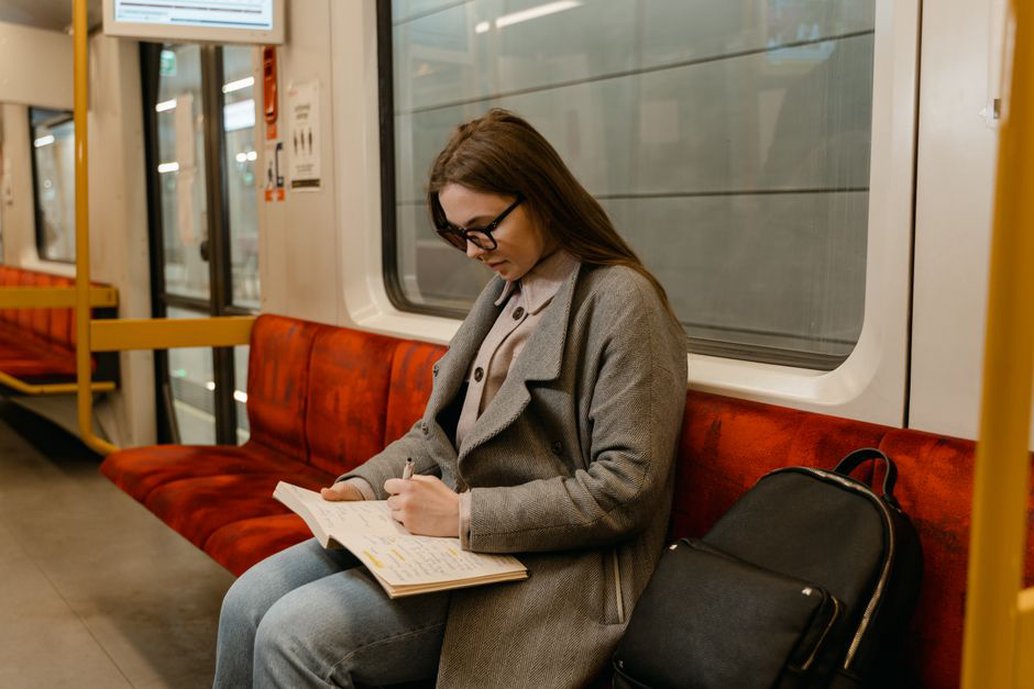
Put on the packed bag and walk around. Can you pull out your ticket or put on your rain layer without setting everything on the ground? If the bag feels awkward, look first for bulky items that do the same job: two chargers when one tested setup works, a laptop and tablet when either would do, or a second pair of shoes for an activity you’ve dropped. Keep items that serve different purposes, even if they look redundant on paper.
Now think through the handoff with the least room for delay. If Friday’s train takes you straight to a workshop on low-resource speech technology, make sure you can get to your presentation without unpacking your sleepwear. If you have a Sunday archive appointment between checkout and your train, confirm where the bag will spend the morning and set aside a dry top for the ride home. Sometimes what looks like a packing problem is really a question of timing or storage.
Before you zip the bag, cross off anything left over from a plan that changed: formal shoes for a dinner that became lunch, the adapter for a talk you’re no longer giving, or printouts for a session you’ll miss. If you’re leaving straight from work on Friday, slip Saturday’s archive admission details and call-number list into the pocket with your train ticket. You won’t have to dig through your clothes for them at the reading-room desk.