
Introduction to Stereovision in the Mid-2000s
During the mid-2000s, stereovision experienced a pivotal shift due to significant advancements in computational power and algorithmic development. This field, focused on extracting depth information from multiple images, was a major area of interest in computer vision research. The era marked a move from traditional techniques to more advanced algorithms capable of addressing real-world challenges.
At its core, stereovision relies on the concept of disparity, which is the difference in the position of an object when viewed from two different perspectives. This principle, akin to human binocular vision, is essential for reconstructing three-dimensional scenes from two-dimensional images.
Key Developments and Challenges
The mid-2000s saw a burst of activity in developing algorithms to enhance the precision and efficiency of stereovision systems. Challenges included resolving pixel matching ambiguities in stereo pairs, managing occlusions, and adapting to varying lighting conditions. Researchers concentrated on making these systems more effective, especially in complex and cluttered settings.
Algorithmic Advances
- Graph Cuts: These algorithms gained popularity for their effectiveness in finding global optima in stereo matching by translating the problem into a graph structure, facilitating the application of optimization techniques.
- Belief Propagation: This method tackled occlusions and improved stereo image matching by spreading information across a network, allowing for more accurate depth inference.
- Dynamic Programming: Employed to solve the stereo correspondence problem, these techniques optimized a cost function measuring the disparity between image pairs.
These algorithmic breakthroughs were crucial in enhancing stereovision systems, leading to more practical applications.
Applications of Stereovision
Stereovision technologies were applied in various fields. A prominent example was autonomous vehicles, where accurate depth perception is vital for navigation and avoiding obstacles. Stereovision systems offered a cost-effective, reliable solution for real-time environmental mapping.
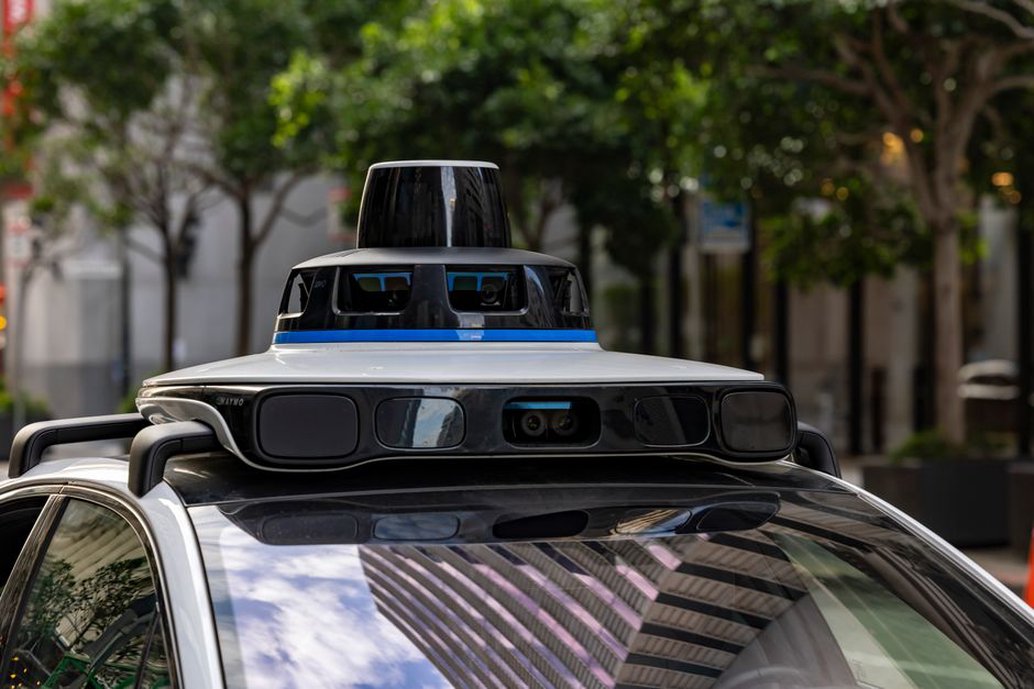
In robotics, stereovision improved how robots interacted with their surroundings. Robots with these systems could perform tasks like object manipulation and terrain navigation with greater accuracy.
Influence on Related Research Areas
The advancements in stereovision during this period also impacted other areas of computer vision and pattern recognition. For example, stereovision principles were used in registration techniques, essential for aligning images in medical imaging and other fields. These developments also contributed to a deeper understanding of depth perception technologies, later integrated into augmented reality systems and consumer electronics.
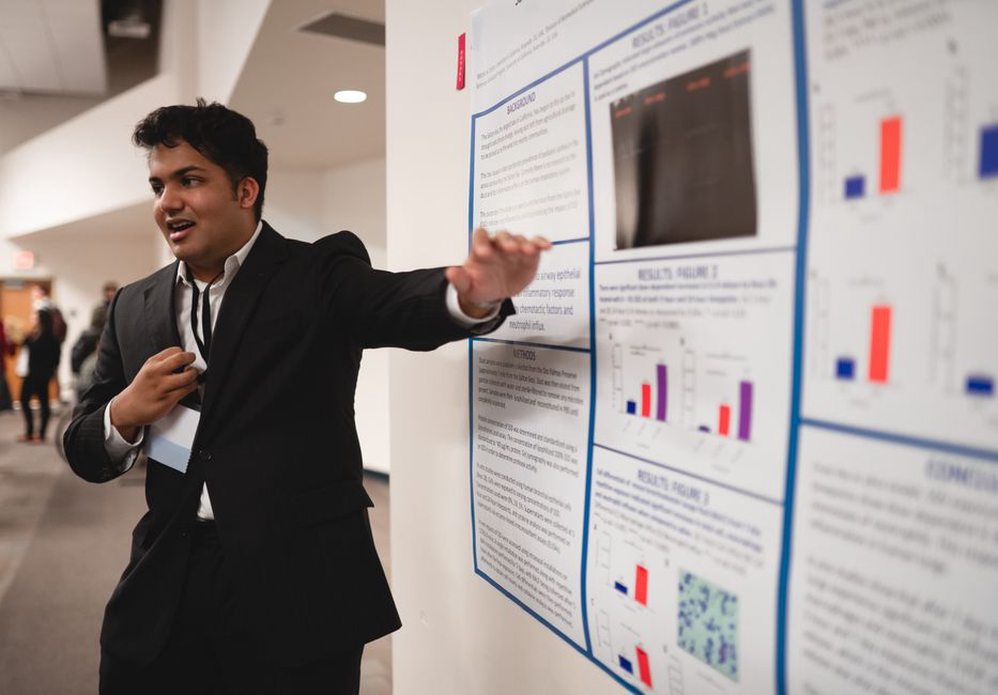
The research methods developed and refined during this time laid the foundation for future innovations in computer vision. Collaborative efforts and the exchange of ideas at scientific conferences were instrumental in these advancements. For more on the impact of scientific gatherings, see how HTML influenced mid-2000s pattern recognition research.
Conclusion
The mid-2000s marked a significant period for stereovision, characterized by notable algorithmic progress and expanding applications. The innovations from this era not only improved stereovision systems but also had a lasting influence on various technological fields. As stereovision technology evolved, it became a fundamental component of many modern applications, highlighting its enduring impact on computer vision.