
The 2000s marked a significant turning point in biometric security, as the demand for reliable identification and authentication systems surged. This era witnessed remarkable progress in biometrics, with technologies like fingerprinting, facial recognition, and iris scanning becoming integral to security measures in both governmental and commercial sectors.
Early 2000s: Foundations of Modern Biometric Systems
During the early 2000s, biometric technologies experienced foundational growth. Researchers worked diligently to enhance the accuracy and dependability of these systems. Fingerprint recognition, a technology in use since the late 20th century, saw major improvements. New algorithms were created to process partial and low-quality prints, greatly boosting the reliability of fingerprint-based authentication.
Facial recognition technology also advanced significantly. Researchers tackled challenges related to lighting, facial expressions, and angles, which were essential for its application in public security and surveillance.
Progress in Iris Recognition
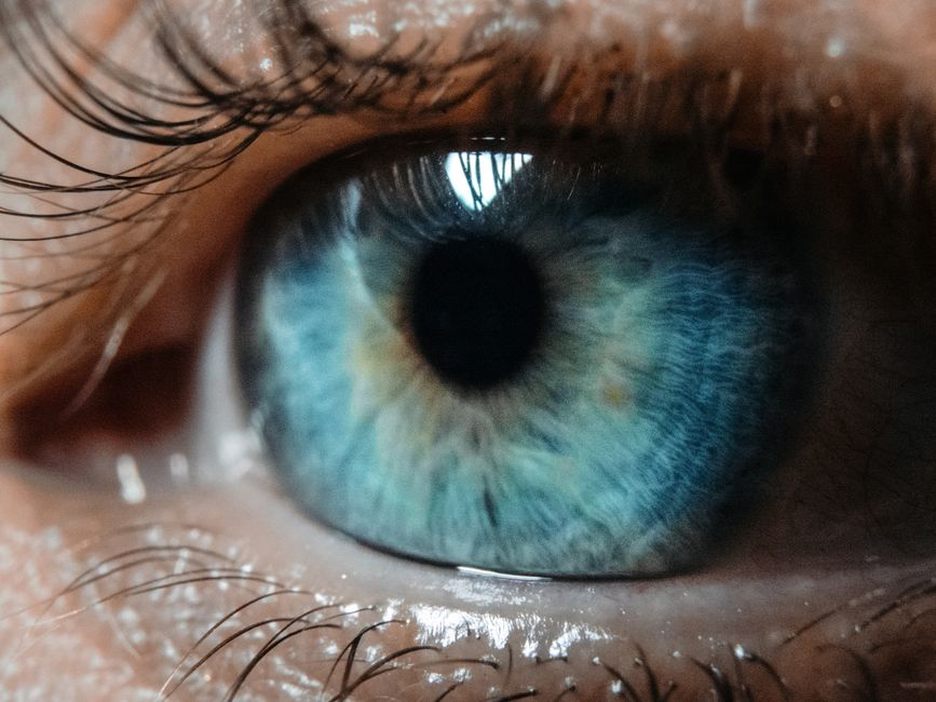
Iris recognition, renowned for its precision, gained traction in the 2000s. The decade was marked by the refinement of iris scanning algorithms, enhancing both speed and accuracy. The distinct pattern of the iris offered a reliable method for identity verification, making it particularly attractive for high-security uses.
Mid-2000s: Integration and Standardization
As the decade progressed, integrating biometric systems into existing security frameworks became a key focus. Efforts to standardize biometric data formats and interfaces were undertaken, promoting interoperability among different systems and vendors. Organizations like the International Organization for Standardization (ISO) and the International Electrotechnical Commission (IEC) were instrumental in developing these standards.
Biometric authentication began to extend beyond government use, finding its way into commercial sectors like banking and personal electronics. Fingerprint sensors became commonplace in laptops and smartphones, signaling the rise of consumer biometrics.
- Standardization of biometric data formats
- Increased use in consumer electronics
- Enhancements in algorithmic speed and accuracy
Multimodal Biometrics
The mid-2000s saw the growing popularity of multimodal biometrics. By combining different biometric indicators, such as fingerprints and facial recognition, systems achieved higher accuracy and security. This approach addressed the limitations of single-mode systems, offering a more reliable solution for identity verification.
Late 2000s: Advancements and Ethical Considerations
The late 2000s brought further advancements in biometric technology, including improved algorithms for detecting and preventing spoofing. These developments were vital for maintaining the integrity of biometric systems as their use became more widespread.
Simultaneously, ethical concerns regarding biometric data began to emerge. Researchers and policymakers started to tackle issues related to privacy, consent, and data protection, laying the groundwork for regulations and guidelines to ensure responsible use of biometric technology.

In conclusion, the 2000s were a decade of transformation for biometric security, marked by technological advances and the integration of biometric systems into daily life. The research and development efforts of this period set the stage for the sophisticated biometric systems we encounter today, emphasizing the need for ongoing innovation and ethical considerations in this rapidly evolving field.