Biometric identification transitioned from a specialized academic pursuit to a crucial component in security systems. During the mid-2000s, academic researchers led efforts to enhance these technologies, aiming to improve their accuracy and real-world application. Early methods such as fingerprint recognition, iris scanning, and facial recognition each posed distinct challenges and opportunities for advancement.
The Early Days of Biometric Research
Initially, biometric research faced limitations due to restricted computational resources and the early stage of machine learning algorithms. Researchers concentrated on feature extraction techniques to boost the accuracy of biometric systems. The mid-2000s marked a pivotal shift as these systems began integrating with machine learning, paving the way for more scalable solutions.
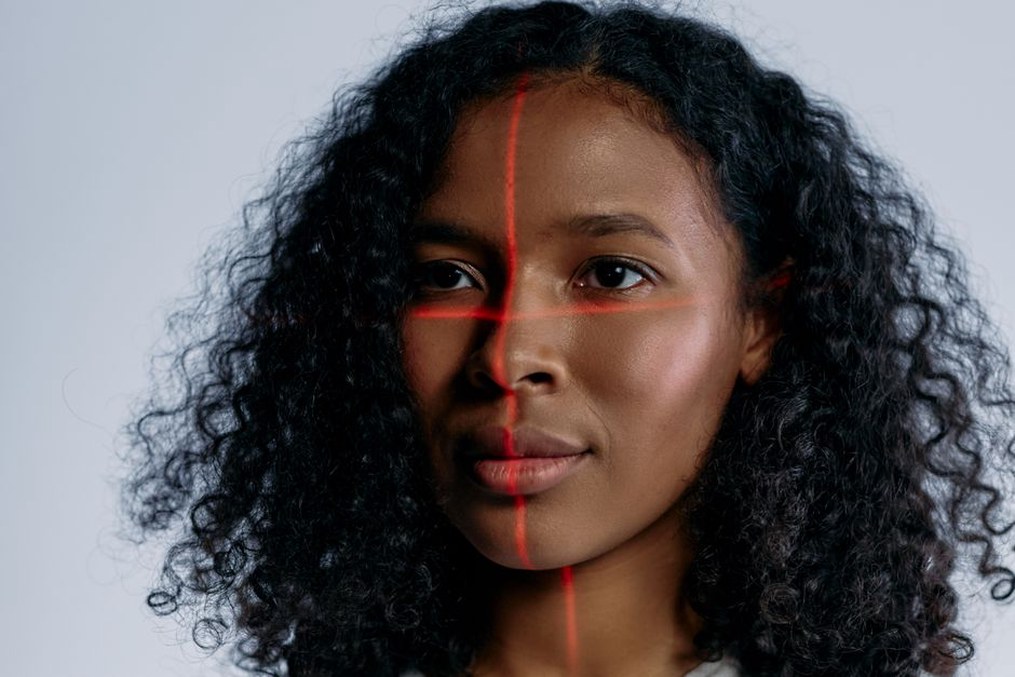
Facial recognition, for example, advanced significantly with algorithms designed to detect subtle differences in facial features. This era also saw notable progress in pattern recognition, which was vital for improving biometric systems.
Technological Advancements and Applications
As computational power grew, biometric systems became more sophisticated. Academic research explored new applications, including voice recognition and gait analysis. These technologies extended beyond identifying individuals to understanding human behavior and physiology nuances.
Voice recognition, in particular, thrived due to advancements in speech processing. The fusion of speech technologies with biometric systems enabled multi-modal identification processes, strengthening security measures across various applications.
- Fingerprint Recognition: Enhanced through improved image processing techniques.
- Iris Scanning: Gained traction for its high accuracy, becoming a focal point of academic research in secure environments.
- Facial Recognition: Advanced with algorithms capable of handling variations in lighting and facial expressions.
Challenges in Biometric Identification
Despite these advancements, biometric identification faced significant hurdles. Privacy concerns emerged, sparking debates over data protection and the ethical implications of biometric data collection. Researchers were challenged to develop systems that offered accurate identification while safeguarding user privacy and data security.
Another challenge was integrating biometric systems with existing security frameworks. The need for interoperability between various biometric systems and traditional identification methods required a collaborative research approach, often involving multidisciplinary teams.
In stereoreconstruction research, similar challenges arose, where integration with existing systems was crucial for technological advancement.
The Future of Biometric Identification
Looking ahead, biometric identification continues to advance, driven by developments in artificial intelligence and machine learning. The ability to process and analyze large datasets has unlocked new possibilities for biometric technologies, enhancing accuracy and broadening their applications.
Research into under-resourced languages and minor dialects holds promising potential. By creating more inclusive biometric systems, researchers aim to develop technologies that are accessible and effective for a diverse range of users.
The evolution of biometric identification in academic research underscores the complex interplay between technological innovation and societal needs. As these systems become more integrated into daily life, ongoing research will be vital in addressing the ethical and practical challenges they present.