
Three planned dinners, a leftover night and a couple of flexible options can cover most of the week. You do not need seven different recipes or a Sunday spent cooking. Start with a more useful question: what can you make on the nights you actually have time?
A workable plan makes room for late meetings, changing appetites and food already in the refrigerator. It tells you what to buy and what to cook first without assigning every meal an immovable date.
Start with the week you have
Look at your calendar before choosing recipes. Mark the nights when you can cook, the nights when dinner needs to be quick and any meals you expect to eat elsewhere. Count the breakfasts, lunches and dinners you need to provide. Planning five dinners at home when you will only be there for three means buying food you may not use.
Check the refrigerator, freezer and pantry next. Look for ingredients that need using soon, especially opened dairy products, fresh vegetables and cooked leftovers. Then set a realistic limit on cooking: perhaps two longer sessions and two meals with little hands-on work. Allow for preparation and cleanup, not just the cooking time on a recipe.
You probably do not need the same level of detail for every meal. If breakfast is usually toast and fruit, add those to the shopping list rather than inventing seven breakfasts. Spend your planning time on the meal that tends to prompt last-minute decisions.
Build a small menu, not a rigid timetable
Choose two or three main meals that fit your available time and use some of the same ingredients. Add an easy meal made mostly from staples, then leave room for leftovers or a change of plans. Repeating a familiar pasta dish or rice bowl saves shopping decisions as well as cooking effort.
A few meal formats can give you variety without a long recipe list. Roasted vegetables might go alongside chicken one night and into wraps the next. Cooked beans can fill a grain bowl, then become a quick soup. But shared ingredients need an actual destination: a large bag of greens bought for several hypothetical dishes is still a gamble.
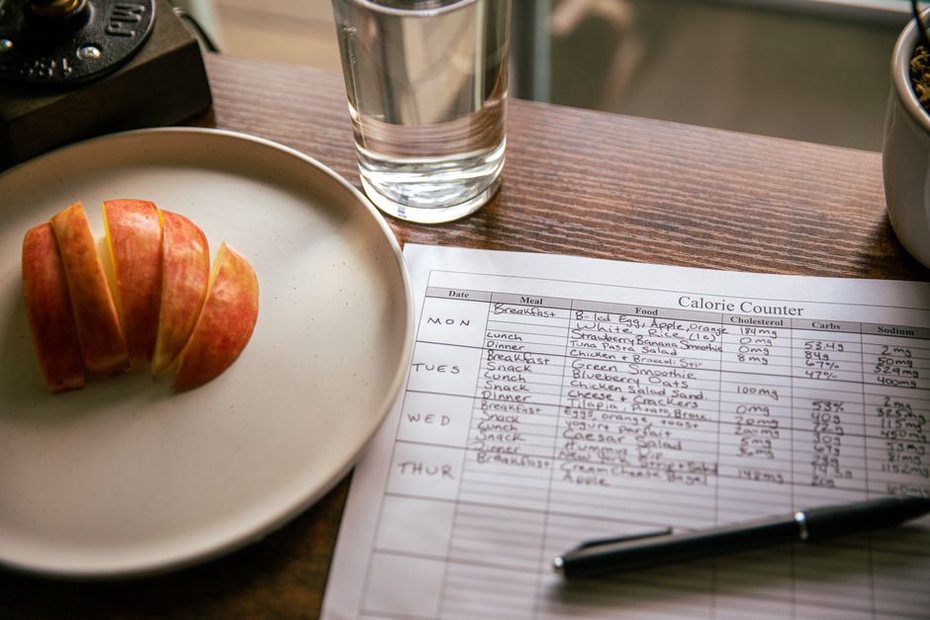
Give meals a role before giving them a day
- Cook-now meal: Use a short-lived ingredient, such as fresh fish or ripe tomatoes, early in the week.
- Batch-friendly meal: Make enough for another lunch or dinner, if you have room to store it.
- Fast meal: Keep a familiar option that takes little preparation, such as eggs with toast and vegetables.
- Pantry or freezer meal: Save a meal whose ingredients will keep if plans change.
You might put the cook-now meal on Monday and keep the others movable. Some ingredients have a deadline; others can wait.
Use a repeatable planning sequence
Keep your plan in one place—a phone note, a sheet of paper on the refrigerator or a shared household list. Then use the same short sequence before you shop:
- Count meals at home. Include lunches only if you intend to pack or prepare them.
- Identify busy days. Allow for quick meals, leftovers or a planned meal away from home.
- Check what you own. Pick at least one meal that uses food already in the kitchen.
- Choose a few reliable dishes. Try a new recipe when you have the time and interest for it.
- Write a shopping list by ingredient. Check what you have and how much you need before buying.
- Pick one useful prep task. Wash vegetables, cook a grain or make a sauce if it will ease a later dinner.
If this takes too long, give yourself fewer choices. Keep a list of five to ten meals your household knows how to make and start there.
A practical five-dinner example
Say a household has one busy evening, two ordinary cooking nights, one evening with uncertain plans and one night with more time. Its dinner plan could look like this:
| Evening | Meal | Reason it fits |
|---|---|---|
| Monday | Chicken, roasted vegetables and rice | Uses fresh ingredients early; extra rice is saved for another meal |
| Tuesday | Bean and vegetable wraps | Quick assembly on the busy night |
| Wednesday | Leftover chicken and rice bowls | Uses a deliberately prepared extra portion |
| Thursday | Flexible night | Leftovers, a meal out or a freezer option can fill the gap |
| Friday | Pasta with tomato sauce and a side salad | Pantry ingredients remain usable if plans change |
Each dinner has a job. Monday makes an extra portion, Tuesday needs little effort, and Friday's pasta can move to the following week if plans change. Nobody has to eat the same dinner twice, either: if repeated chicken does not appeal, Wednesday's extra rice could become a vegetable-and-egg dish.
Turn the menu into a shopping list
Go through each meal and write down what you lack. Combine repeated ingredients and estimate how much you will use. If two dinners call for carrots, buy enough for both rather than listing them twice. Check package sizes for fresh herbs, salad greens and other foods that may not keep long after opening.
Organize the list in the order that helps you shop—perhaps produce, proteins, refrigerated foods, pantry items and frozen foods. Add breakfast basics and snacks once the main meals are covered. You should be able to see how the groceries relate to the meals, rather than coming home with ingredients that merely looked appealing.
Settle questions of budget and food preferences before you buy. Swap an expensive ingredient for one you already use, account for allergies or dietary needs, and do not base dinner on a recipe only one person will eat. If several people share meals, agree on the main dishes first. A tidy shopping list cannot rescue a menu nobody wants.
Prep only what removes a real obstacle
Meal planning does not require cooking the entire week's food in advance. Prep helps most when it removes the step that tends to stall dinner. If chopping vegetables is the problem on a work night, wash or cut them ahead. If waiting for rice is the problem, cook it in advance or choose something quicker.
That might mean making a sauce, portioning ingredients for one recipe and clearing refrigerator space for leftovers. There is no need to prep everything on the menu. Some produce loses quality once cut, and a change of plans can leave an assembled dish uneaten.
Treat make-ahead food with ordinary food-safety care: refrigerate perishables promptly, use clean containers and follow storage guidance for what you cook. Label containers with their contents and preparation date if you are likely to forget. Freeze portions you will not use soon instead of assuming they will last until the end of the week.
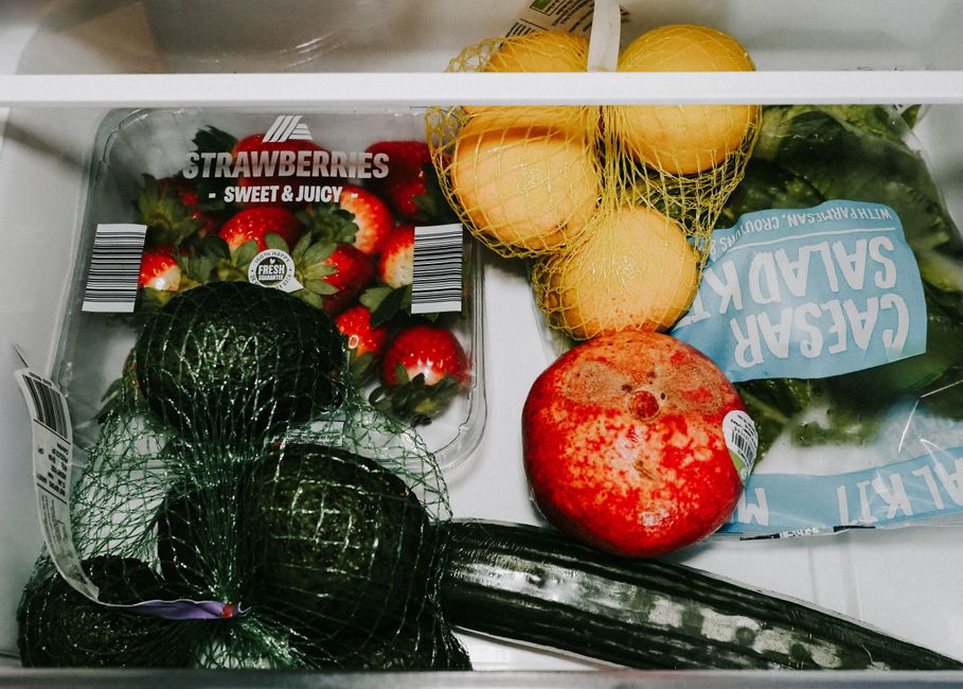
Plan for the nights that usually derail dinner
A backup dinner is part of the plan, not proof it failed. Keep ingredients for something you can make with little attention and that will not spoil quickly: frozen vegetables with noodles, canned beans with rice, or soup and toast. Pick a meal you would eat. Otherwise, those emergency ingredients will sit in the cupboard while you start deciding what to make all over again.
Be specific about what counts as easy in your household. A 20-minute recipe can be awkward if it demands constant chopping and several pans; an oven meal with more total cooking time may require only five minutes of your attention. If someone else sometimes cooks, leave enough detail for them to use the plan. “Bean wraps—beans, tortillas, cabbage, yogurt sauce” tells them more than “wraps.”
When plans change, move meals according to how soon their ingredients need using. Cook fresh, perishable foods first and postpone pantry meals. If you skip a meal entirely, decide whether its ingredients can be frozen, used for lunch or put into another dish. A menu built from flexible components makes that easier than seven recipes with separate sets of fresh ingredients.
Review what happened, not what should have happened
At the end of the week, look at what you cooked and what you left unused. Did a recipe take more effort than you expected? Those answers are more useful than measuring how closely you followed the original schedule.
If vegetables keep going uneaten, buy less or use frozen ones for later-week meals. If leftovers rarely become lunches, stop counting on them. If Thursday is always unpredictable, leave it open every week. The point is to make the next plan more accurate, not more complicated.
Keep a short list of dependable meals, noting how long they took you to prepare, what you needed to buy and whether the leftovers proved useful. For next week, start with three dinner names. Mark your busiest evening, check which perishable ingredient needs cooking first and leave the other spaces open until you know how far those three meals will go.