
Before anyone picks up a piece of litter, find out where the full bags will go. Ten bags left beside a park gate may be treated as illegal dumping, not a completed cleanup. Identify who manages the site and agree on a collection plan before inviting volunteers.
Choose a site and get permission
Walk the area before setting a date. A short stretch of sidewalk, a small park, or the edge of a shared courtyard is more manageable than an entire neighborhood. Note where litter has gathered, whether people can reach it without stepping into traffic, and where the group could meet. For a first event, choose a route volunteers can finish in the time available.
Find out who manages the land. A parks or public works department may have rules for cleanups on public property and might provide bags, litter grabbers, or a scheduled pickup. On private grounds, ask the landlord, housing association, business, or other owner for approval. Confirm where filled bags can be left, what the collection service will accept, and whether a permit is needed. Keep a written record of the arrangement; a brief email is enough.
Visible from the street does not mean available to clear. Cutting vegetation, moving dumped furniture, or working beside a waterway may require separate permission, equipment, or trained crews. Volunteers can collect safely accessible litter and report the larger problems to whoever is responsible for the site.
Invite neighbors with a bounded plan
Give people the exact meeting point, date, start and finish times, cleanup boundaries, and coordinator’s name. Say what supplies you’ll provide and what they should bring, such as sturdy shoes, work gloves, and drinking water. Offer a way to respond that doesn’t require joining a group chat or posting a phone number publicly.
Use channels neighbors already check: a building noticeboard, neighborhood email list, local association, or paper flyer where posting is allowed. A short invitation in relevant community languages may bring in residents who would otherwise miss it. People can also help for part of the session or take a less physical role, such as checking volunteers in, handing out supplies, or noting places that need follow-up.
Don’t worry about a modest turnout. The useful question for a first cleanup is how many people you can equip and supervise, not how many might click RSVP. If the response is larger than expected, split the site into small sections and give each one a point person.

Set up the work before the day
Assign roles, not just a meeting time
Choose one person to contact the property manager or municipal department and another to check volunteers in and explain the route. For a larger group, section leads can keep people within the agreed boundaries and guide them back to the meeting point. Give someone explicit responsibility for getting filled bags to the approved collection location. That job is easy to forget at the end of a tiring session.
Make a simple map or written route showing the start, turnaround point, and off-limits areas. Estimate supplies based on expected turnout, then check what you can borrow. Litter grabbers, sturdy trash bags, spare gloves, hand sanitizer, and a small first-aid kit are useful. Ask the receiving service whether it wants recyclables separated; mixed or contaminated material may be rejected. Don’t promise recycling until you know its rules.
Plan for weather and access
Set a decision time for rain or heat and tell volunteers how you’ll announce a change. A short session with a firm finish is easier to staff than an open-ended one. Pick a meeting place that leaves sidewalks, entrances, and accessible routes clear. If uneven ground makes part of the site inaccessible, say so plainly and offer roles that don’t require crossing it.
Make the safety briefing specific
At the start, take a few minutes to explain the boundaries, disposal plan, and reasons to stop work. Volunteers should use grabbers instead of bare hands, avoid bags too heavy for them to lift, and work with a partner or within sight of the group. Children need an accompanying adult and suitable tasks. Nobody should step into a roadway, climb a slope, reach into dense brush, or approach an unstable structure for a piece of litter.
Leave needles, broken glass, chemicals, unknown containers, suspected asbestos, and other hazardous materials untouched. Note their location from a safe distance and report them through the responsible agency’s usual process. Do the same for bulky dumped items that cannot be moved safely or fall outside the disposal agreement. A location photo may help with a report, but avoid photographing people or private property unnecessarily.
Agree on an injury response, too: stop work in that area, give appropriate first aid, and call emergency services for an urgent medical problem. Gloves and trash bags do not qualify volunteers to direct traffic or handle hazardous waste.
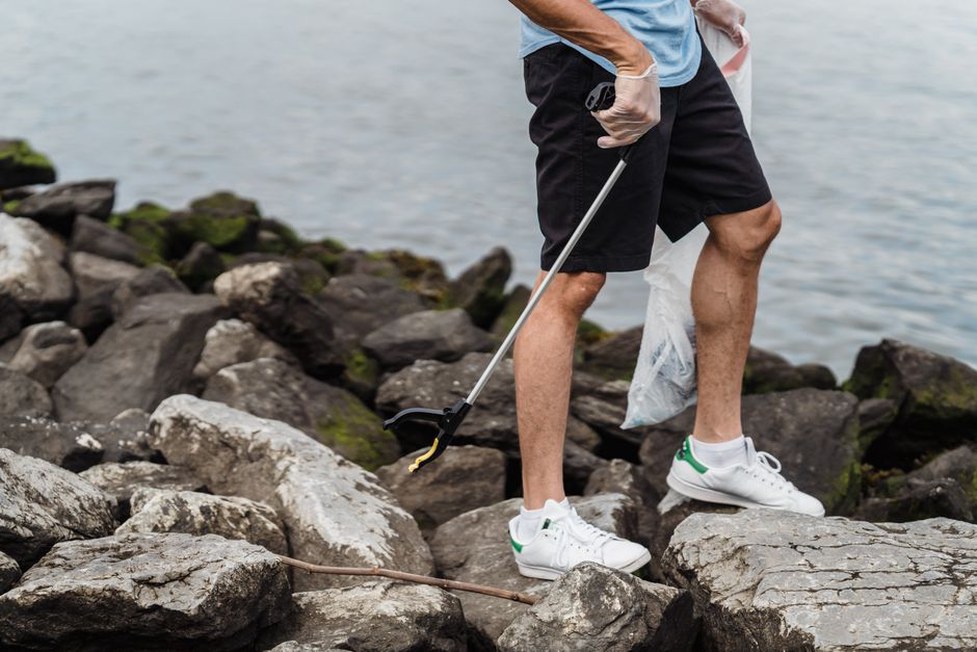
Run the cleanup in short, clear stages
- Check in. Count participants, identify section leads, hand out supplies, and give the safety briefing. Remind everyone when and where to return equipment.
- Work in assigned sections. Stay within the approved area. Section leads should redirect anyone who encounters litter that cannot be reached safely.
- Move bags to the agreed location. Keep paths and entrances clear. Do not leave bags beside public bins unless the responsible service has approved it.
- Check out. Make sure everyone has returned, collect reusable tools, and wash or sanitize hands before eating or drinking.
If a section finishes early, its volunteers can help in another safe section or return their equipment. They shouldn’t expand into unapproved property. If the arranged pickup fails to arrive, contact the designated service promptly and include the organizer’s contact details in the request. Don’t leave bags where they block access or animals can tear them open.
Record what needs a different solution
Afterward, record attendance, which sections were covered, where bags were placed, and whether pickup happened. A bag count helps plan the next event, but it isn’t the whole measure of the work: clearing a few obstacles from an approved path can take longer than filling several bags with light litter. Send neighbors a short, factual update that distinguishes collected items from problems you reported.
Look for recurring problems without assigning blame. Litter around an overflowing bin might call for more frequent servicing or a different bin location; dumping on a vacant lot may need action from the owner or local authority. Report what you observed and where, rather than naming suspected individuals without evidence. Before setting another date, confirm that the first event’s bags were collected and borrowed tools returned.
Make the final handoff specific. If volunteers spotted a tire and several sealed containers outside the approved route, give the responsible agency their location, a description, and the date observed. Leave them in place until the agency determines how to remove them.