
A fingerprint reader on a 2000s laptop did not recognize its owner the way a colleague would. It captured a partial impression, extracted features, compared them with an enrolled template, then accepted or rejected the match at a set threshold. A dry finger, a slight shift in placement or a dirty sensor could change the score. Bridging that gap between a biological trait and a dependable login was a central problem for biometric researchers.
Biometric authentication was not new. Fingerprints had a long history in identification, and automated systems for faces, voices and hand geometry predated the decade. What changed in the 2000s was the prospect of routine use at computers, doors and border checkpoints. Sensors became easier to integrate, while digital storage and processing became more accessible. As institutions tested these systems at larger scales, error rates and administrative decisions mattered as much as the recognition algorithms.
From identification to authentication
Two different tasks were often grouped under “biometrics.” In verification, someone claims an identity and the system checks against one stored template: is this fingerprint consistent with the account holder’s? In identification, the system searches a gallery of enrolled identities for a possible match. Authentication may use verification as one part of an access decision; identification may yield a shortlist rather than a final answer.
Searching many candidates creates more chances for an accidental match. The distinction also affects the user experience. A laptop login starts with an account name and a fingerprint check. A border or forensic search may start with an image whose owner is unknown. Treating results from these settings as interchangeable could make a 2000s system look more capable than it was.
What the machines could measure
Fingerprint systems appealed to access-control designers partly because compact sensors could fit into devices. Software typically looked for ridge features, especially minutiae such as endings and bifurcations, rather than comparing images pixel by pixel. But the impression still had to be good enough: a small sensor might capture only part of a finger, and placement could vary from one attempt to the next.
Face recognition required less contact with hardware, though capture conditions could be unforgiving. Pose, lighting, expression and camera resolution all changed the image being compared. Researchers worked with principal-component representations, local features and statistical classifiers, among other approaches. None made it safe to ignore differences between enrollment photographs and later images.
Voice authentication sought characteristics of the speaker, not the words spoken. Microphones, rooms, illness and speaking style could all affect the signal. A prompted phrase limited what someone said; a text-independent system allowed freer speech but had more variation to contend with. Iris recognition could give strong results from suitable images, although getting those images consistently required appropriate optics and user cooperation.
Enrollment made the system—or broke it
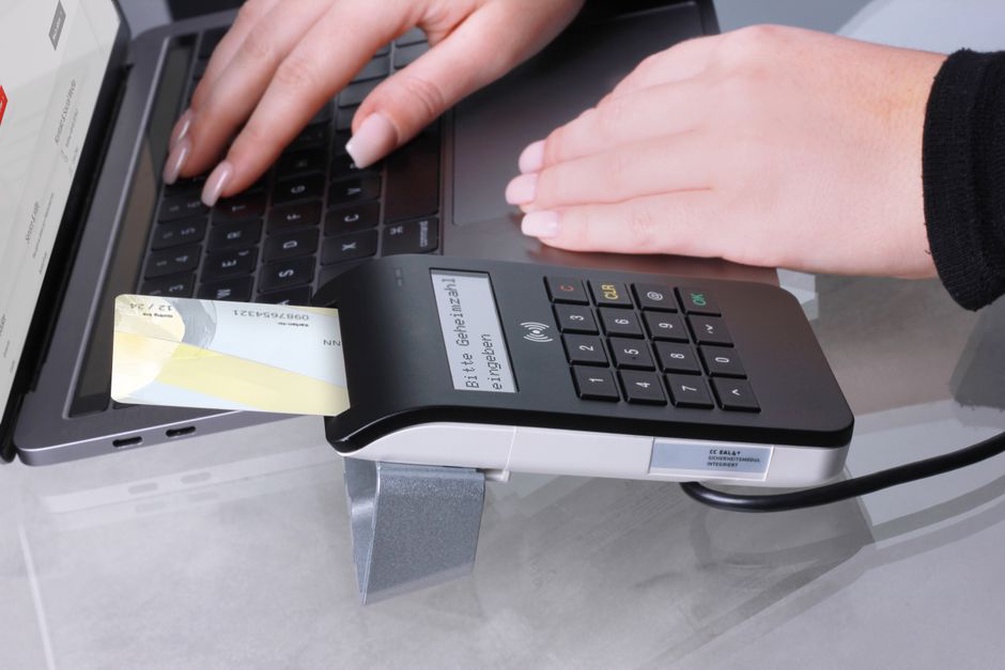
A biometric account began with enrollment: collecting a sample, checking its quality and storing a representation for later comparison. This was more than clerical work. If the first fingerprint was faint or a face photograph poorly lit, every later attempt had to match a weak reference. Asking for another capture helped, but took time and was not always possible for every user.
That stored representation was commonly called a template. It usually contained extracted features or measurements rather than a raw image. Still, “not a raw image” did not mean harmless or anonymous. Templates were linked to identities, and their protection depended on how they were created, stored and accessed. Unlike a password, a finger or iris could not simply be replaced after exposure.
Researchers in the mid-2000s therefore had to consider the whole deployment, not just the matcher. What happened when someone’s trait could not be captured reliably? How could a bad enrollment record be corrected, or a user get through when the sensor failed? Repeated false rejections at a workplace entrance could turn an impressive laboratory result into a daily nuisance.
A score was not a verdict
A matcher usually produced a similarity score; the application set the decision threshold. Lowering it could let in more genuine users but also increase false accepts. Raising it could have the opposite effect. Figures such as false-accept and false-reject rates meant little without the test population, capture conditions and threshold. An equal-error rate—the point where the two measured rates meet—was a handy comparison figure, not a universal setting for actual use.
A published accuracy figure, then, could not establish whether a system belonged on a particular door or computer. Tests needed to reflect the expected users, sensors and environments, including what might change between enrollment and use. A sample that could not be captured should also be counted separately from one the matcher rejected. For a closer look at the mechanics, biometric recognition in the mid-2000s: capture, matching and evaluation examines those stages in detail.
Why the 2000s became a turning point
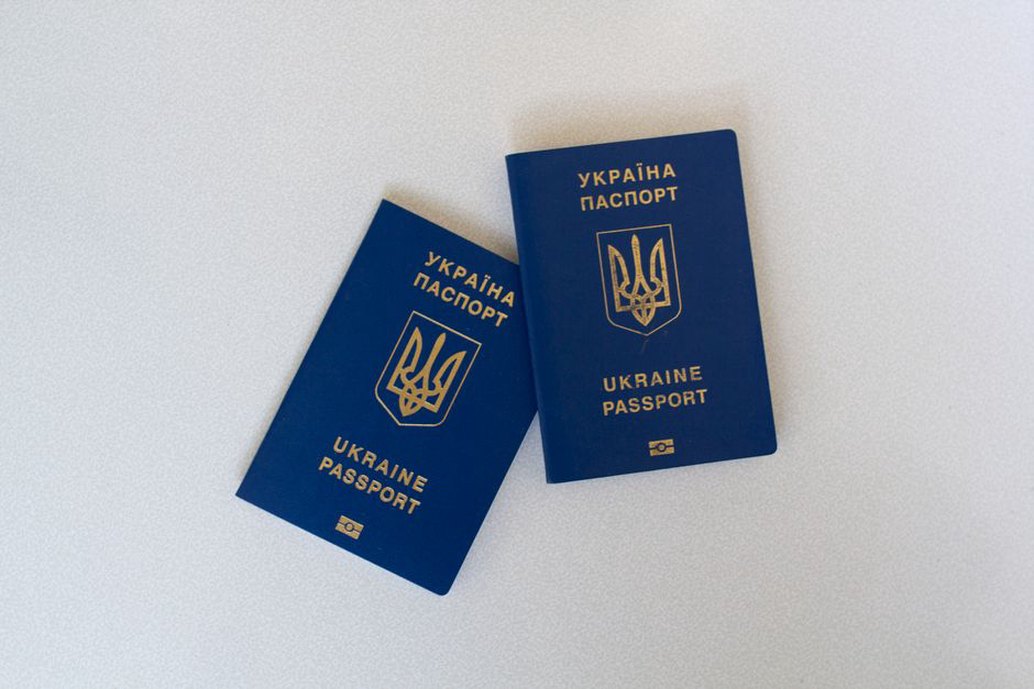
Security debates in the early 2000s increased government and transport authorities’ interest in documents and systems that could link travelers to recorded identities. Electronic passports containing facial images began to appear during the decade under international standards. But a face image on a passport chip did not make every border check a fully automated biometric decision. Document inspection, camera capture, database practices and human review still shaped the outcome.
At a laptop or office door, biometrics offered an alternative to forgotten passwords and shared credentials. Recognition alone did not settle access rights: someone could be correctly recognized and still be given access to the wrong resources. Poor enrollment controls could also attach a valid template to the wrong account. Identity management around the sensor was just as important as the sensor itself.
As deployments expanded, questions of consent and reuse grew more pressing. A fingerprint collected for building entry might later be proposed for timekeeping. Who kept the sample, who could query it, how long it stayed on file and what happened when an employee left were questions a matching score could not answer.
When reading a 2000s biometric claim, look for the exact decision being measured. “Recognized 99 percent of users” might refer to successful captures, genuine matches at one threshold or completed logins. A report that gives the number of enrolled people, failed captures, impostor comparisons and operating threshold offers a clearer picture of what the reader at the door could actually do.