
Check the spare tire before you fill the trunk. A flat spare—or a repair kit with expired sealant—will be little help on a remote shoulder. Find out what your vehicle carries, where the jack and wheel tools are kept, and how to use them safely. If there is no spare, look up your roadside-assistance options before you leave.
One to two weeks before departure
Check the vehicle while there is time to fix problems
- Tires: Check pressure when the tires are cold. Use the figure on the driver’s door placard, not the maximum printed on the tire. Look for uneven wear, cuts, bulges, and sidewall damage. Check the spare’s pressure too, if you have one.
- Fluids: Check engine oil, coolant, windshield washer fluid, and any other fluids listed in the owner’s manual. Investigate a low level or visible leak rather than simply topping it up.
- Visibility and controls: Test the headlights, brake lights, turn signals, wipers, and windshield washer. Replace worn wiper blades before you have to drive in rain.
- Maintenance: See whether scheduled service will come due during the trip. Have a warning light, braking problem, or unfamiliar noise inspected; a packing checklist cannot fix it.
Keep the owner’s manual within reach, especially in an unfamiliar vehicle. It has model-specific guidance on tire pressure, warning lights, towing, and changing a wheel. If you are renting, inspect the tires and lights at pickup and ask how breakdown assistance works.

Make a route that survives a lost signal
Mark your destination, planned stops, and stretches with few services. Allow time for breaks: a map’s arrival estimate does not account for meals, fuel, roadworks, or fatigue. Check the weather and road conditions near departure, and check again before mountain passes or other exposed routes.
Download offline maps where coverage may be unreliable, and keep the destination address somewhere outside the navigation app. A saved route may miss a new closure, so follow current signs and local instructions. In an electric vehicle, identify compatible chargers and a backup stop; terrain, weather, and an unavailable charger can all affect the plan.
Several days before departure
Gather documents and agree on the driving plan
Make sure every driver has a valid license and is permitted to drive the vehicle. Keep the registration, proof of insurance, rental documents if needed, and roadside-assistance details easy to find. If you will cross a border, check the current entry, vehicle, and insurance requirements for that crossing. Your domestic documents may not be enough.
Share your broad route and expected arrival time with someone staying behind, particularly if you will pass through isolated areas. Agree with other drivers on switchovers and stops. Driving alone? Plan where you can rest instead of counting on coffee to get you through fatigue.
Pack for access, not just capacity
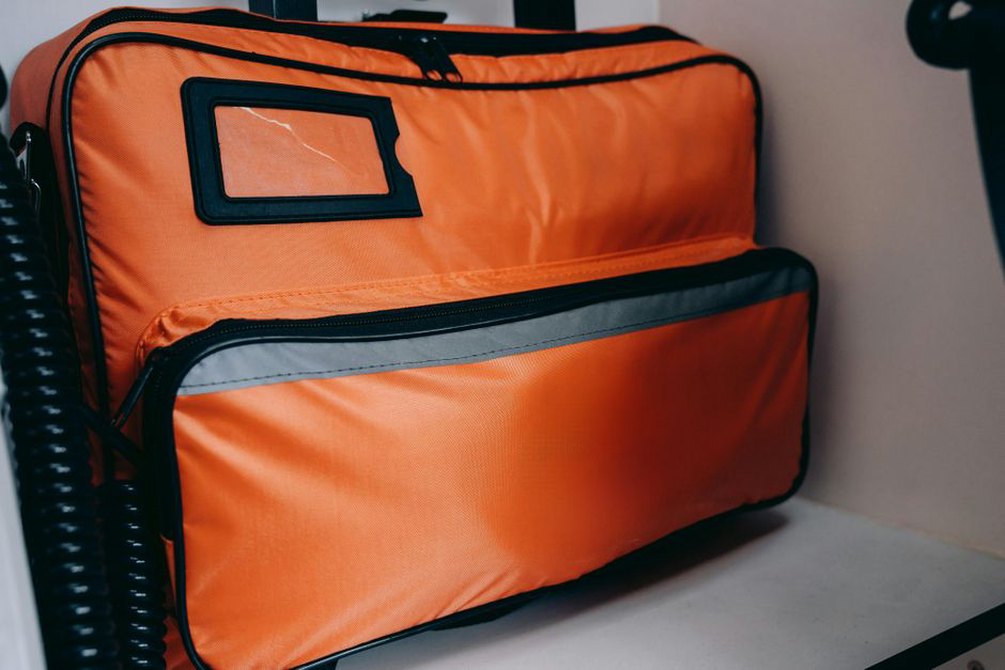
Keep a first-aid kit, flashlight, charging cable, necessary medication, drinking water, and clothing suited to the weather within reach without unloading the car. Pack enough prescribed items for the trip, plus a little extra in case of delays. Keep key addresses and phone numbers on paper in case your phone is lost or runs out of power.
Check the vehicle’s emergency equipment: warning devices and a reflective vest where required, plus a tire inflator or wheel-changing tools that fit the vehicle. A repair kit cannot handle every puncture or sidewall injury. If a breakdown location is unsafe, move people away from traffic and call for professional help rather than attempting a roadside repair.
Secure heavy luggage low in the cargo area, leaving the rear window and mirrors clear. An object left loose on a seat can be hazardous under hard braking. You should still be able to reach the water, medication, and emergency kit when you stop.
The day before and the morning you leave
- Check the latest conditions. Review the weather, closures, and opening hours for essential stops. Change your route before setting off, not while driving.
- Prepare devices. Charge phones, test the car charger, download maps and tickets, and set the first destination while parked. Keep navigation audio low enough to hear traffic.
- Set up the cabin. Adjust the seat, mirrors, and head restraint. Check that every passenger has a working seat belt and that child restraints are appropriate and correctly installed.
- Start with enough energy and range. Fill the tank or charge with the next reliable stop in mind, especially before a stretch with few services. Eat and rest before a long stint behind the wheel.
- Do a final walk-around. Check for a newly flat tire, a leak beneath the car, an open cargo door, or anything left on the roof.
On the road, stop if your concentration fades, you miss signs, drift within the lane, or struggle to keep your eyes open. A short break may help, but persistent drowsiness means finding a safe place to sleep or handing over to a rested driver. Before leaving the last planned fuel or charging stop ahead of a remote stretch, confirm the distance to the next service point.