
That half-used bag of spinach is easy to lose behind a new carton of milk. Give foods that need attention a visible spot near the front of the fridge, and check it before deciding what to cook. It helps to pair that habit with realistic shopping, sensible storage, and a plan for leftovers.
Start with the food you already have
Before shopping, take two minutes to look through the fridge, freezer, and pantry. Check fresh produce, open containers, and anything tucked behind larger items. A note on your phone—“use mushrooms, half a cucumber, cooked rice”—will serve you better at the store than a hazy memory of vegetables at home.
Plan one or two meals around what you find. A handful of vegetables could go into an omelet, soup, or stir-fry; a small portion of cooked beans could become a lunch filling. You do not need a recipe for every scrap. Focus on giving the most perishable foods a place in the next few days.
Shop for the week you will actually have
Make your list around who will be eating at home and when. If two evenings are already spoken for, ingredients for seven cooked dinners will leave you with a surplus. Allow for leftovers and buy quantities you can finish. A large pack is no bargain if some of it regularly goes uneaten.
- Check cupboards before replacing staples, especially rice, pasta, canned goods, and cooking ingredients.
- Buy delicate produce in amounts you expect to use soon.
- Choose ingredients that work in more than one meal.
- If a recipe calls for a little of a specialty ingredient, decide how you will use the rest before buying it.
Loose produce makes it easier to buy exactly what you need. If only larger packages are available, consider sharing the purchase or freezing some right away.
Make the fridge easier to read
Opaque, unmarked containers disappear easily behind other food. Move older items to the front and put newer purchases behind them. Set aside a visible “use soon” area for ripe fruit, open ingredients, and leftovers, somewhere you can see without rearranging the shelves.
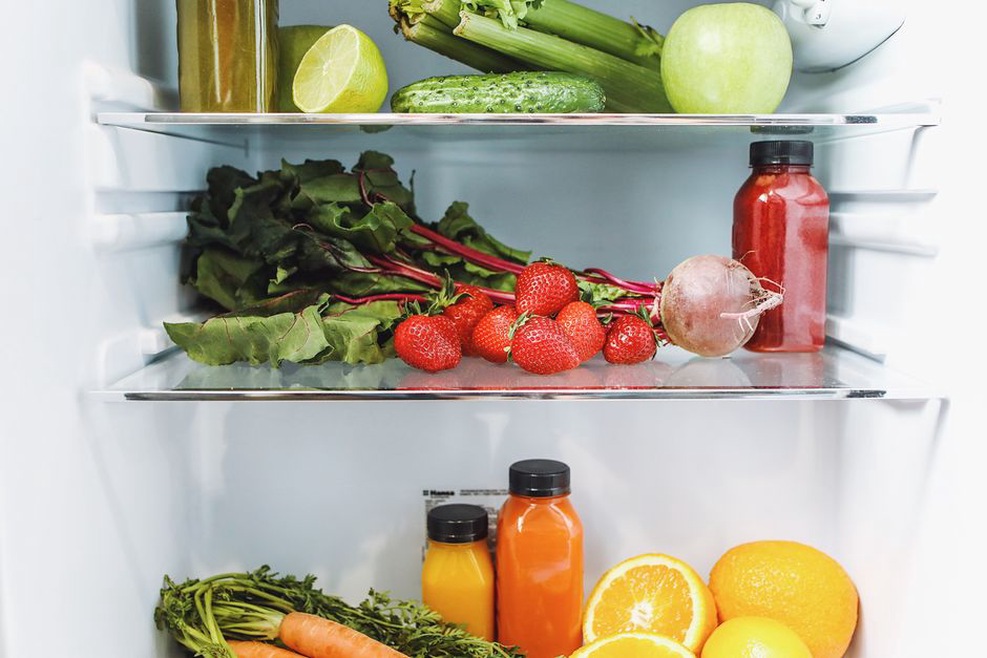
Label homemade leftovers with their contents and the date they were cooked. That matters when sauces, soups, and grains start to look alike in their containers. Small, shallow containers make portions easier to identify and help hot food cool more quickly before refrigeration. Refrigerate perishable food promptly rather than leaving it out for hours; if you are unsure about safe handling, follow local food-safety guidance.
Different produce needs different storage. Leafy greens generally do well refrigerated and protected from excess moisture. Potatoes and onions need a cool, dry, well-ventilated place, not a sealed plastic bag, and are best kept separate when possible. Tomatoes can stay at room temperature until ripe. Refrigerating ripe tomatoes can slow further deterioration, though it may change their texture.
A refrigerator thermometer takes out some of the guesswork. Keep the fridge at or below 40°F (4°C) and the freezer at or below 0°F (-18°C). The door is usually warmer than the main compartment, so keep highly perishable foods elsewhere. Leave enough space on the shelves for cold air to circulate.
Understand dates without ignoring safety
Package dates mean different things. “Best by” generally refers to quality, while “use by” may have a more specific meaning depending on the product and where you live. Read the wording and follow local guidance. A printed date is neither an automatic discard order in every case nor a guarantee of safety.
Many shelf-stable foods in intact, properly stored packages may still be usable after a quality date, although flavor or texture can decline. Be more careful with perishable foods: harmful bacteria do not always cause a noticeable smell or visible change, so a sniff test cannot establish safety. Discard food with mold where it should not be present, damaged or bulging cans, and food showing signs of spoilage. Do not taste it to decide. People at higher risk from foodborne illness should take particular care.
Cook amounts that match your appetite
If you keep throwing out the same leftover, adjust the amount you cook. Half a pot of rice left every time? Measure less next time. If your household likes leftovers for lunch, cook with that particular lunch in mind rather than making extra without a plan.
Start with smaller servings when appetites vary; anyone who wants more can take a second helping. Keep food meant for later in the kitchen instead of putting the whole batch on the table. The reserved portion will spend less time at room temperature and be easier to put away promptly.
Give leftovers a specific next use
“Take the lentil soup for Tuesday lunch” is a better plan than “eat the leftovers.” Decide on a day or meal as you put food away. Roasted vegetables could go into a sandwich or grain bowl; cooked chicken could fill a wrap. Reheat leftovers thoroughly according to appropriate food-safety guidance, and warm a single portion rather than repeatedly heating and cooling the whole batch.
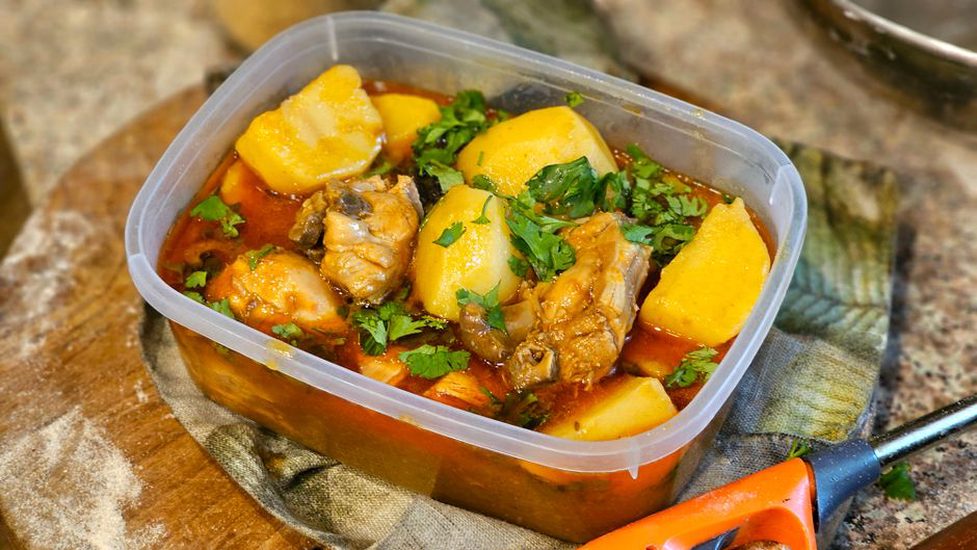
If plans change, freeze suitable leftovers while they are still in good condition. Divide soup, stew, or cooked beans into portions you are likely to use, then label each container with its contents and freezing date. Consistently low freezer temperatures preserve food safety, but quality can decline over time. A freezer inventory can keep those portions from being forgotten at the back.
Use edible parts without forcing them into meals
Some parts often discarded are good ingredients. If the outer layer of a broccoli stem is tough, peel it, then slice and cook the stem with the florets. Clean herb stems can flavor a sauce or broth. Slightly soft fruit can work in a cooked compote or smoothie if it has been stored safely and shows no signs of spoilage.
But not every scrap belongs in dinner. Wash produce as appropriate, avoid moldy ingredients, and do not assume cooking will make spoiled food safe. Trimmings saved for broth should be clean and sound. Onion skins may add flavor, while bitter or badly damaged scraps can spoil the result. If your freezer bag of trimmings keeps growing and never gets used, compost the suitable scraps instead.
Notice what keeps getting thrown away
A short waste note can show you what to change without turning dinner into an accounting exercise. For one week, jot down what you discard and why: “lettuce wilted before use,” “made too much pasta,” or “forgot open yogurt.” Each pattern points to a different fix—buy less lettuce or store it better, cook less pasta, or move the yogurt where you will see it.
Many unavoidable scraps, including peels, shells, and coffee grounds, can be composted if you have a suitable setup or local collection service. Check what it accepts, particularly for meat, dairy, and cooked food. Composting puts scraps to use, but it cannot recover the money or effort spent on food that could have been eaten.
Start with the food you most often leave unfinished. If a full bag of salad greens routinely wilts, buy a smaller one next time and put it at the front of the fridge when you get home.