
The advertised rent is only part of the move-in cost. Before you sign, ask for the total due at signing, when each payment is due, and an itemized list of deposits, fees, and advance rent. Check those figures against the lease. If a promise appears only in conversation, it may be hard to establish later.
Rental rules vary by location, and local law may limit some lease terms. These questions can help you spot what needs clarification, but they do not replace checking the rules where the property is located or seeking qualified advice about a disputed clause.
What exactly are you renting, and for how long?
Check that the agreement identifies the right unit, parking space, storage area, and any shared facilities you were shown. Are all intended occupants named correctly? If a roommate leaves, will the remaining tenants still owe the full rent? When several people sign one lease, ask whether each is responsible for the entire obligation or only a stated share.
Compare the start and end dates with your move-in plans. When will you get the keys, and could rent begin before the unit is available? For a fixed-term lease, ask what happens when the term ends: does it expire, become month-to-month, or renew unless you give notice? For a periodic tenancy, check how much notice either side must give and how it must be delivered. A text message may not satisfy a clause requiring written notice through a particular channel.
What will you pay beyond the advertised rent?
Ask for an itemized move-in statement before paying anything. It should separate refundable deposits from nonrefundable charges and show the period covered by advance rent. Check for application, parking, pet, key, amenity, and administrative fees. Which charges recur each month? Also confirm the accepted payment methods and any fees for using them.
Then look at the regular monthly bill. Is rent due on a calendar date or a set number of days after move-in? Is there a grace period, and how are late charges calculated? If the lease allows rent increases, ask when one could take effect, what notice is required, and whether an increase is already scheduled. The written terms matter, but so does applicable local law.
How are utilities and other shared costs divided?
Ask what “utilities included” covers. Which services does the landlord pay for, which accounts must you open, and are internet or waste collection separate? If water or electricity is billed through the property rather than a meter for your unit, get the allocation method in writing. Is it based on occupants, floor area, individual readings, or a fixed amount? Ask when shared-service bills arrive and whether you can see the calculation behind them.

When and why can the deposit be withheld?
Confirm the deposit amount, where and how it is held if local rules address that, and when you should receive an accounting after moving out. What deductions does the lease allow? Cleaning, damage, unpaid rent, and missing items may be treated differently; normal wear is not necessarily damage. If someone calls a charge “just standard,” check what the contract actually says.
Before taking possession, ask about a joint move-in inspection and a written condition report. Photograph existing stains, scratches, faulty appliances, and missing fixtures, with dates, then send the report through a traceable channel. Find out how soon you must report a problem you discover after moving in. That record can help both sides establish when damage occurred.
Who handles repairs, and what happens if something breaks?
Find out which maintenance tasks are yours and which belong to the landlord. Minor upkeep, consumables, appliance servicing, pest treatment, and occupant-caused damage may be treated differently. How do you request a routine repair? Who do you contact after hours in an emergency, and should you ever call a contractor yourself? Learn the procedure for problems involving heat, water, locks, or safety before you need it.
Ask about known repairs and their expected completion dates. If you were shown a working appliance, window covering, or light fixture, check that the lease does not exclude it. Promises to paint, replace carpeting, or fix a leak should describe the work and give a realistic deadline in writing. Be wary of signing a statement that the unit is in satisfactory condition before you have inspected it.
What are the rules for living in the property?
Read the lease alongside any building rules it incorporates. A separate handbook may govern daily life in the property, so request a copy before signing. Ask whether the landlord can change those rules during your tenancy.
- Pets: Are certain animals, sizes, or numbers restricted? Is there a separate agreement, deposit, or recurring charge? Rules for assistance animals may differ from ordinary pet policies.
- Guests and occupants: How long can a guest stay before approval is required? How do you add an occupant?
- Parking and storage: Is a particular space assigned? Check the towing, access, and storage rules.
- Changes to the unit: Can you hang shelves, paint, install window coverings, or use a portable air conditioner? What must you restore when you move out?
- Shared spaces: Are there rules for laundry rooms, balconies, deliveries, smoking, or quiet hours?
If you work from home or need reliable access, ask about restrictions that affect your plans. A building might designate delivery areas or limit the hours for moving large equipment. Do not assume the lease covers every practical rule.
When may the landlord enter?
Ask how much notice you will receive before routine inspections, repairs, or showings, and how that notice will arrive. Emergencies may be handled differently. Check who has keys, whether contractors can enter while you are away, and how access is arranged when you request a repair. Compare the lease clause with local requirements; the contract alone may not determine your rights.
What if your plans change?
A job or household change can make the exit terms just as important as the move-in date. If you leave before a fixed term ends, would you owe an early-termination payment, rent until a replacement tenant takes over, or something else? Ask about subletting or assigning the lease, whether approval must be in writing, and what costs you would still owe.
Check notice requirements for the normal end of the tenancy, too. Must your notice state a departure date, reach a named person, or arrive a set number of days before the next rental period? Keep a copy and proof of delivery. If the lease renews automatically, put the notice deadline in your calendar when you sign.
Who is authorized to make the agreement?
Confirm the landlord’s or management company’s name, the address for formal notices, and who can accept rent or approve changes. If someone else handles the transaction, ask what authority they have. Be especially careful if you are asked to send money before viewing the property or receiving a complete agreement that identifies the unit and the party renting it.
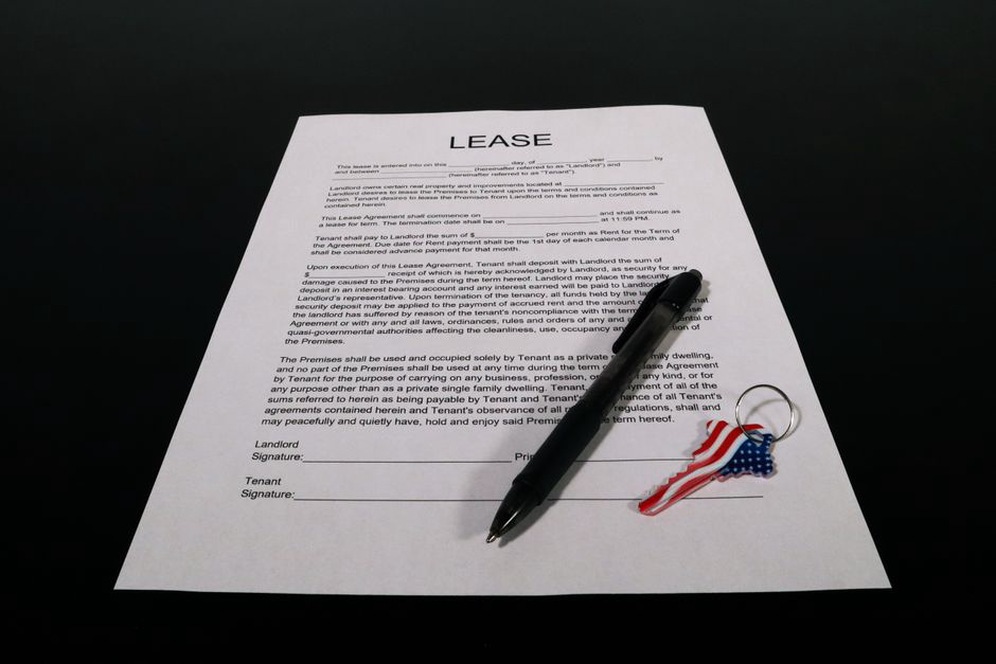
Read every attachment and check for blank spaces before signing. Have unclear terms corrected in the lease or a signed addendum rather than relying on a spoken explanation. Both parties should get the same completed version, including house rules, inventories, and any promised repairs. If you sign electronically, download the final executed copy instead of keeping only a link to the signing page.
Finally, put the lease beside the itemized move-in statement. Compare the rent, deposit, fees, unit number, and start date line by line. If one document calls the deposit refundable and the other calls it a nonrefundable fee, resolve the difference before sending payment.