
Before assuming a quiet dog will settle easily at home, ask how they behave when left alone. Some dogs are subdued in a kennel, excited during a meeting, then different again after several weeks in a household. Observations across settings and over time tell you more than a single introduction.
Match the dog to your ordinary day
With an adult dog, you usually know their size. Caregivers may also have observed how much exercise they need, how they respond to handling, and how they react to other animals. Still, those traits aren't fixed: health, stress, training, and a new environment can change what you see.
Picture a normal workday. How long would the dog be alone? Who could provide a midday break, and where would walks happen? A fenced yard doesn't replace exercise, supervision, or time with people. If you rent, check pet rules, size restrictions, and extra costs before meeting dogs. Stairs matter for a dog with limited mobility; noise and shared hallways matter in an apartment.
Agree with everyone at home on where the dog will sleep, who handles walks, and which boundaries you'll all follow. If you have children or other pets, ask about interactions caregivers have actually seen and the conditions in which they happened. “Friendly” tells you much less.
Get specific about the dog’s history
Adoption profiles can mix documented facts, caregiver observations, and guesses. Ask staff or foster caregivers which is which. “Has lived with cats” is more useful than “probably good with cats,” though neither promises an easy introduction to yours.
- Daily routine: What food, feeding schedule, walks, and resting arrangements is the dog used to?
- Time alone: Has anyone observed barking, distress, destruction, or attempts to escape?
- Handling: How does the dog respond to a collar, leash, grooming, and veterinary examination?
- Other animals and people: Were interactions supervised? Did anyone notice fear or tension?
- Training: Which cues have been practiced, and where? Does the dog seem comfortable toileting outdoors?
“We don't know” is a gap to plan for, not a fault in the dog. A stray may have no reliable household history. A foster caregiver may have seen more than shelter staff, but their observations still come from one particular home. Ask whether a second meeting, supervised introduction, or trial placement is possible, and check the terms.
Look beyond a single meeting
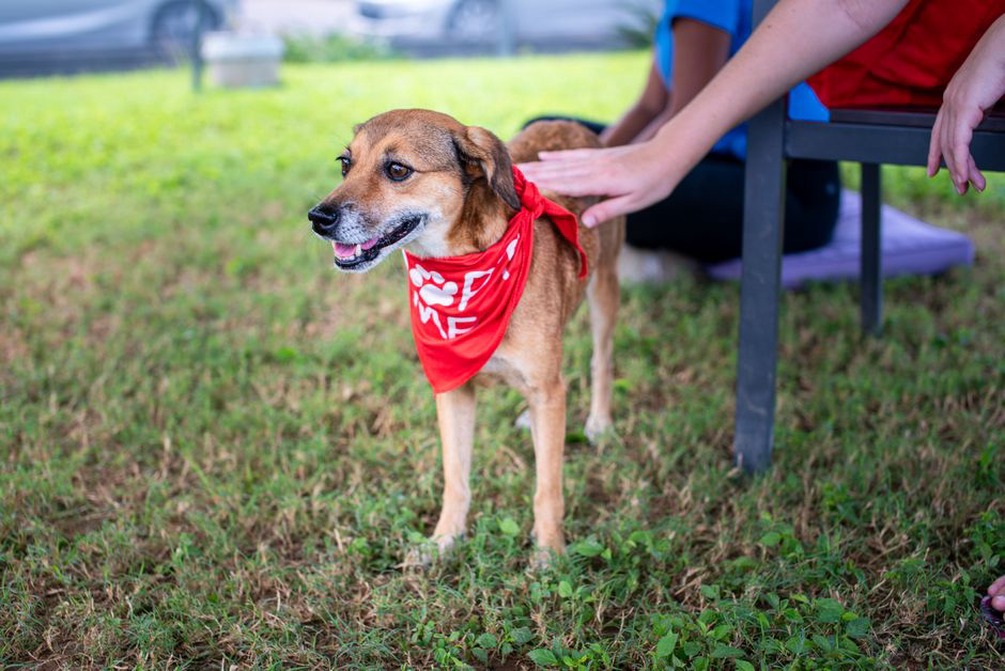
Notice how the dog recovers from a surprising sound, whether they take breaks from interaction, and what happens when you stop offering attention. Don't force contact to test their tolerance. If possible, take a supervised walk or meet away from the busiest part of the shelter. A calm greeting is promising; it won't tell you how the dog behaves alone overnight or with a resident pet.
Labels such as “protective,” “dominant,” or “stubborn” can cover very different behaviors. Ask what happened just beforehand, what the dog did, and how the caregiver responded. Those details give you—and, if needed, a qualified trainer or veterinarian—something useful to work with.
Review medical records and expected costs
Request copies of available vaccination and treatment records, including dates of recent examinations. Confirm spay or neuter status, microchip details, current medications, known conditions, and any recommended follow-up care. An adoption examination can't rule out every illness, so ask what has been tested or treated and what remains uncertain.
Budget for food, preventive veterinary care, supplies, grooming if needed, and unexpected bills. Some adult dogs need ongoing medication, a special diet, or help with mobility. Consider whether you can manage the daily care as well as the cost. Arrange a veterinary appointment after adoption to establish care, review the records, and discuss any symptoms or behavior concerns you notice.
Check what the adoption fee covers and whether you'll receive some of the dog's current food. A sudden change can upset a dog's stomach; ask your veterinarian how to switch foods if you need to.
Prepare for a gradual transition
Have a quiet place to rest, water, appropriate food, and a secure leash with a suitable collar or harness ready. Block access to hazards and check gates and doors for escape routes. Find out how to update the dog's identification and microchip registration promptly. Before pickup, ask whether they've ever slipped out of a collar or bolted through a door.
Keep the first few days predictable: regular toilet breaks, short walks suited to the dog's condition, and plenty of rest. Visitors, dog parks, and crowded outings can wait. Some adult dogs know household routines; others need to learn where to toilet and how to settle indoors. If there's an accident, clean it thoroughly and adjust the schedule rather than punishing the dog afterward.

Introduce other animals carefully
Plan introductions with guidance from the adoption organization, especially if either animal has been fearful or had conflicts before. Keep early interactions controlled, with separate spaces for resting and feeding. Don't leave the new dog alone with another pet just because the first meeting went well. Supervise time with children, too, and make sure they leave the dog alone while resting or eating.
Some problems call for help sooner rather than later. Contact a veterinarian if the dog seems ill, appears to be in pain, or persistently refuses food. For repeated panic when left alone, escalating aggression, or a bite, seek advice from a qualified, humane behavior professional and keep everyone safe in the meantime.
Clarify the adoption agreement
Read the agreement before pickup. Check the return policy, required veterinary follow-up, and any separate steps for transferring ownership or updating the microchip. If there's a trial period, note when it ends and whom to contact if a problem comes up.
Save the organization's phone number with the medical records before you leave. If the dog has diarrhea or refuses dinner that first evening, you'll have the food history, treatment dates, and a contact who knows what was normal before the move.