
In the early 2000s, academic conference proceedings migrated from printed volumes to CD-ROMs and, increasingly, to the web. Organising committees, often working with limited technical staff and tight deadlines, built HTML pages by hand or with basic tools. A curious byproduct of this era is the "dummypage.html" — a placeholder file that appears in many archived conference directories. Far from being a mistake, these files reveal how researchers structured digital proceedings before automated content management systems.
A typical dummypage.html, such as the one found inside the Docs/Archive/PRASA2003/ folder of the Pattern Recognition Association of South Africa’s 2003 symposium, contains minimal markup: a title, a brief message like "This page is under construction" or "Content coming soon", and perhaps a link back to the parent index. The file exists because organisers reserved a URL for a paper or section that was not ready at the time of publication — a common scenario when camera-ready submissions arrived late or when a session was added after the initial HTML structure was built.
Why a Dummy Page?
In the mid-2000s, conference proceedings were often assembled by a single graduate student or a junior faculty member. They would create an HTML skeleton weeks before the deadline, linking to files that did not yet exist. The dummypage.html served as a placeholder so that the navigation structure could be tested and distributed without broken links. When the final PDFs arrived, the dummy page was replaced — but in many archives, the replacement never happened. The dummy survived, frozen in time.
This practice was especially common in smaller, regional conferences like the PRASA symposia, where the organising committee relied on manual workflows. The PRASA 2004 Author Kit, for example, instructed authors to submit a PDF and a separate HTML abstract. The kit itself was a ZIP file containing templates — and occasionally a dummypage.html for the author’s own use, a placeholder for the actual abstract.
Anatomy of a Dummy Page
Examining a dozen dummypage.html files from the PRASA 2001–2004 archives reveals a consistent pattern:
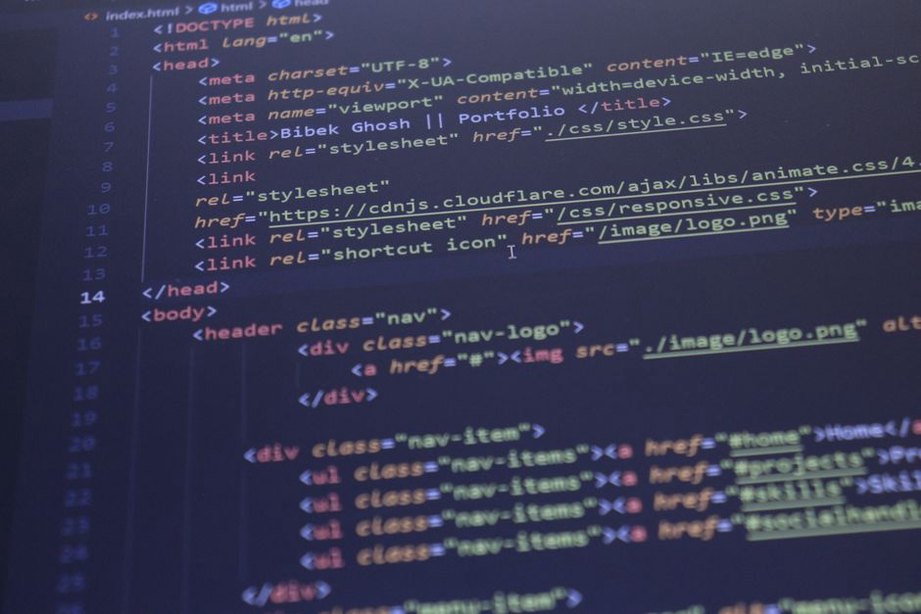
- DOCTYPE declaration: Usually HTML 4.01 Transitional or loose XHTML 1.0.
- Minimal
<head>: A<title>tag with a generic name like "Dummy Page" or the intended paper title followed by "(placeholder)". - Body content: A single paragraph stating the page is not yet available, often with a mailto: link to the organiser.
- No CSS or images: These pages were purely functional; styling was inherited from the parent site or absent.
- Consistent naming: The file was always named
dummypage.html(ordummy.html), neverindex.html, to avoid accidentally serving it as the default page.
One especially well-preserved example from the PRASA 2003 proceedings contains the comment <!-- Replace this file with the actual paper page --> — a direct instruction left by the HTML author. Such comments are invaluable for historians studying the workflow of early digital publishing.
The Dummy Page as a Historical Source
For a researcher tracing the development of low-resource speech technology or computer vision in the mid-2000s, a dummypage.html is more than a dead link. It signals a gap in the record — a paper that was promised but never delivered, or a session that was reorganised. In some cases, the dummy page contains metadata that was never transferred to the final version: the intended author list, the session chair, or the scheduled time of the presentation.
The John Morkel and the 3rd Contacts Workshop article describes how a small gathering of researchers shaped low-resource speech technology. The Contacts 3 workshop website, archived in a similar manner, contains a dummypage.html for a talk that was cancelled at the last minute. That placeholder now serves as the only evidence that the talk was ever planned.
Lessons for Modern Digital Preservation
Dummy pages pose a challenge for archivists. They are often indistinguishable from legitimate content at first glance, and they can clutter automated crawls. However, deleting them without context can erase the trace of incomplete or restructured sessions. The PRASA archives, maintained by the University of the Witwatersrand, chose to preserve these placeholder files in a separate subdirectory, annotated with a note in the parent index.html. This practice — keeping the dummy but clearly labelling it — is a model for handling similar artifacts in other collections.
For the contemporary developer or researcher working with historical conference data, recognising a dummypage.html can prevent confusion. If you encounter one, check the surrounding files: often the intended paper exists elsewhere in the archive under a different filename, or the session was merged into another track. The dummy page itself may contain a redirect instruction or a note pointing to the correct location.
A Concrete Example
Consider the PRASA 2002 proceedings. The directory /Docs/Archive/PRASA2002/Proceedings/ contains a file named dummypage.html with the title "Robust Speech Recognition in Noisy Environments". The actual paper by the same title was published in a different session folder. The dummy page was created weeks before the final programme was set, and the organiser forgot to remove it. By cross-referencing the date stamps on the dummy file (October 2002) and the final paper (November 2002), we can reconstruct the timeline of the submission process — a small but concrete piece of evidence about how deadlines and revisions were managed in that era.
Understanding these artifacts helps us appreciate the human effort behind early digital proceedings. Every dummypage.html is a fossil of a workflow that was, at the time, the state of the art.